
How does the Deadlock update change the way players read patch notes?
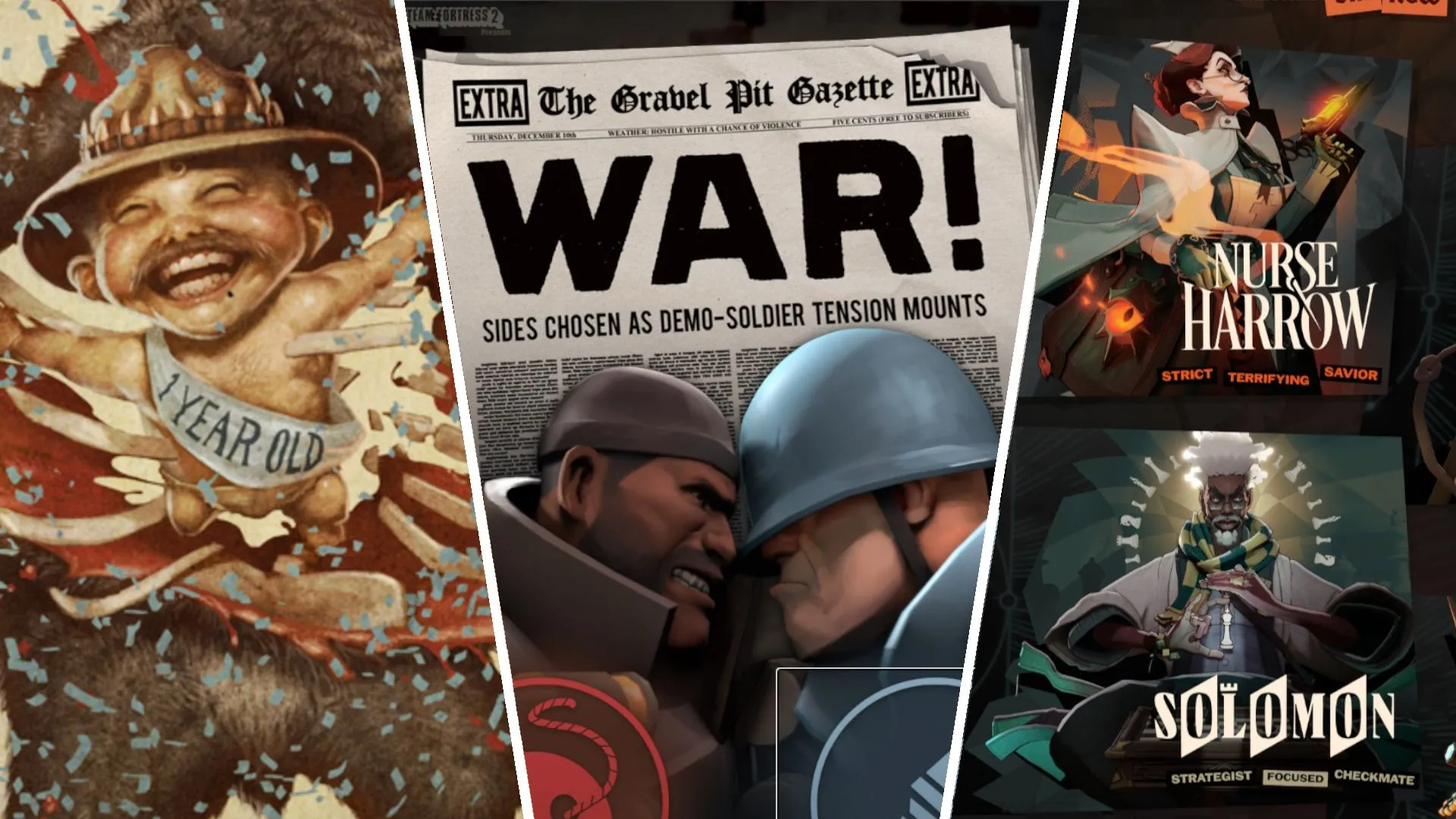
The Deadlock 'City Never Sleeps' patch notes move away from the standard white-on-black text format to embrace a highly stylized, immersive web experience. Instead of a mere list of balance changes and bug fixes, the update is presented as a digital tourism brochure for the game's refreshed New York City setting. This design choice guides players through the four major districts of the map: Chinatown, Theater, Haunted Lot, and Plaza.
Valve has integrated custom artwork for new items and mechanics directly into the layout, ensuring that the visual presentation matches the scale of the content. Dotted lines act as navigational aids, mimicking a map to lead readers through various points of interest. This approach serves two purposes: it provides technical explanations for game changes while simultaneously deepening the world-building of the Deadlock universe through in-world storytelling and subtle humor.
The fusion of technical data and world-building
By weaving narrative descriptions between mechanical details, Valve transforms a chore—reading changelogs—into an engaging part of the player experience. This method ensures that players do not just learn that a hero has been buffed, but understand how that change fits into the shifting landscape of the game's world. It is a departure from the utilitarian approach seen in many contemporary titles, where patch notes are strictly relegated to functional data delivery.
What was the historical significance of Valve's "golden age" of updates?
Valve pioneered the concept of narrative-driven multiplayer updates long before the industry adopted the "live service" model. The foundation for this was laid with Team Fortress 2 (TF2), particularly during the 2009 "WAR!" update, also known as "Soldier vs. Demo." This era proved that updates could do more than just drop new items; they could create conflict and context within the existing multiplayer environment.
During this period, Valve treated every major addition as a significant event. They utilized bespoke webpages that changed their entire aesthetic to match the theme of the update. For example, the Scout update featured a department store catalog style, while the Engineer update presented blueprints with hand-written notes. This level of dedication turned patch notes into a form of media that fans actively anticipated, often arriving late on Thursdays or Fridays as Valve polished the final details.
This era was characterized by a high degree of creative confidence. Valve was willing to experiment with unconventional formats, such as the Mac update for TF2, which utilized a clean, symmetrical design reminiscent of early 2000s Apple marketing. These updates helped build a sense of wonder and community engagement that few developers have managed to replicate in the decades since.
How do modern Valve titles differ from the Team Fortress 2 era?
Current Valve titles like Counter-Strike 2 and Dota 2 follow a much more functional and regimented update pattern. Their changelogs are typically presented as standard bulleted lists, prioritizing clarity and speed over theatricality. This shift reflects the different needs of these specific genres; CS2 and Dota 2 require frequent, precise balance adjustments where a decorative presentation might actually hinder the player's ability to quickly digest critical competitive information.
While Valve does occasionally produce unique web pages for major events or massive announcements in these games, they lack the constant, thematic evolution seen in the TF2 golden age. The era of receiving a lavish, movie-poster-style announcement for a minor incremental update has largely passed, replaced by a more streamlined approach to maintenance and competitive integrity.
The impact of genre-specific requirements on communication
The divergence in style between Deadlock and titles like Counter-Strike 2 highlights how genre dictates developer communication. In a tactical shooter or a complex MOBA, the "sweat level"—the intensity of competitive play—is extremely high. Players in these environments often demand immediate, no-nonsense data regarding frame rates, hitboxes, and ability cooldowns. However, Deadlock's current approach suggests Valve is attempting to bridge this gap by applying the creative flair of their older titles to a newer, more experimental genre.
Why is the return to immersive storytelling relevant today?
The return to highly stylized updates in Deadlock suggests a growing appetite for narrative depth in multiplayer games, a trend seen in other recent successes like Helldivers 2. In an era of formulaic seasonal passes and games used primarily as advertisement platforms, Valve's decision to invest heavily in the presentation of patch notes feels like a return to a more player-centric, creative philosophy.
Valve's history shows they are not afraid to critique themselves or pivot their style. Even during the height of the TF2 "hat economy," Valve was able to release the "Hatless Update" as a way to poke fun at the very systems they had created. This ability to maintain a distinct personality, even while navigating the complexities of modern monetization, is what sets their communication apart.
As Deadlock continues to evolve, the challenge for Valve will be maintaining this sense of wonder. While the current "tourism brochure" style is a breath of fresh air, the inherent competitive nature of the MOBA genre may eventually push the game toward a more regimented, data-heavy communication style. Whether the theatricality survives the transition into a mature, highly competitive esport remains to be seen.
FAQ: Valve's approach to game updates
What makes Valve's patch notes different from other developers?
Valve often uses bespoke, thematic web design to present updates rather than simple text lists. Instead of just listing changes, they create immersive experiences, such as the Deadlock tourism brochure, which integrate storytelling and custom artwork to make reading the notes an engaging activity.
Did Team Fortress 2 use themed patch notes?
Yes, Team Fortress 2 was famous for its highly varied update presentations. Different updates used different styles, such as a department store catalog for the Scout update or hand-written blueprints for the Engineer update, helping to build the game's unique world and personality.
Why are Counter-Strike 2 and Dota 2 updates less theatrical?
Counter-Strike 2 and Dota 2 focus on high-level competitive play, where players require quick, functional, and precise information. Because these games are updated frequently for balance, a simple bulleted list is more efficient for the players than a highly stylized, narrative-driven webpage.
What was the "WAR!" update in Team Fortress 2?
The "WAR!" update, or "Soldier vs. Demo," was a landmark event that introduced narrative conflict into the game. It pitted two character classes against each other, creating a sense of living history and community engagement that went far beyond simple item additions.
Will Deadlock always have creative patch notes?
It is uncertain. While the current "City Never Sleeps" update is highly creative, the competitive nature of the MOBA genre often leads to a need for more direct, functional communication. The balance between storytelling and technical clarity will be key to Deadlock's future.
Key takeaways
- Valve's Deadlock update uses a tourism-brochure style to present map and hero changes.
- The Deadlock design integrates storytelling with technical details to enhance world-building.
- Team Fortress 2 set the standard for creative, themed updates in the late 2000s.
- Modern titles like CS2 prioritize functional, bulleted lists for competitive clarity.
- Valve's approach blends technical communication with immersive game design.
Conclusion
Valve's decision to treat the Deadlock "City Never Sleeps" update as a visual and narrative event marks a significant return to the creative storytelling that defined their most iconic era. By moving beyond the utilitarian constraints of modern changelogs, they are once again using patch notes to deepen player immersion. While the competitive demands of the MOBA genre may eventually necessitate a more streamlined approach, the current emphasis on bespoke, theatrical communication serves as a reminder of Valve's unique ability to turn technical updates into meaningful pieces of game lore.


