
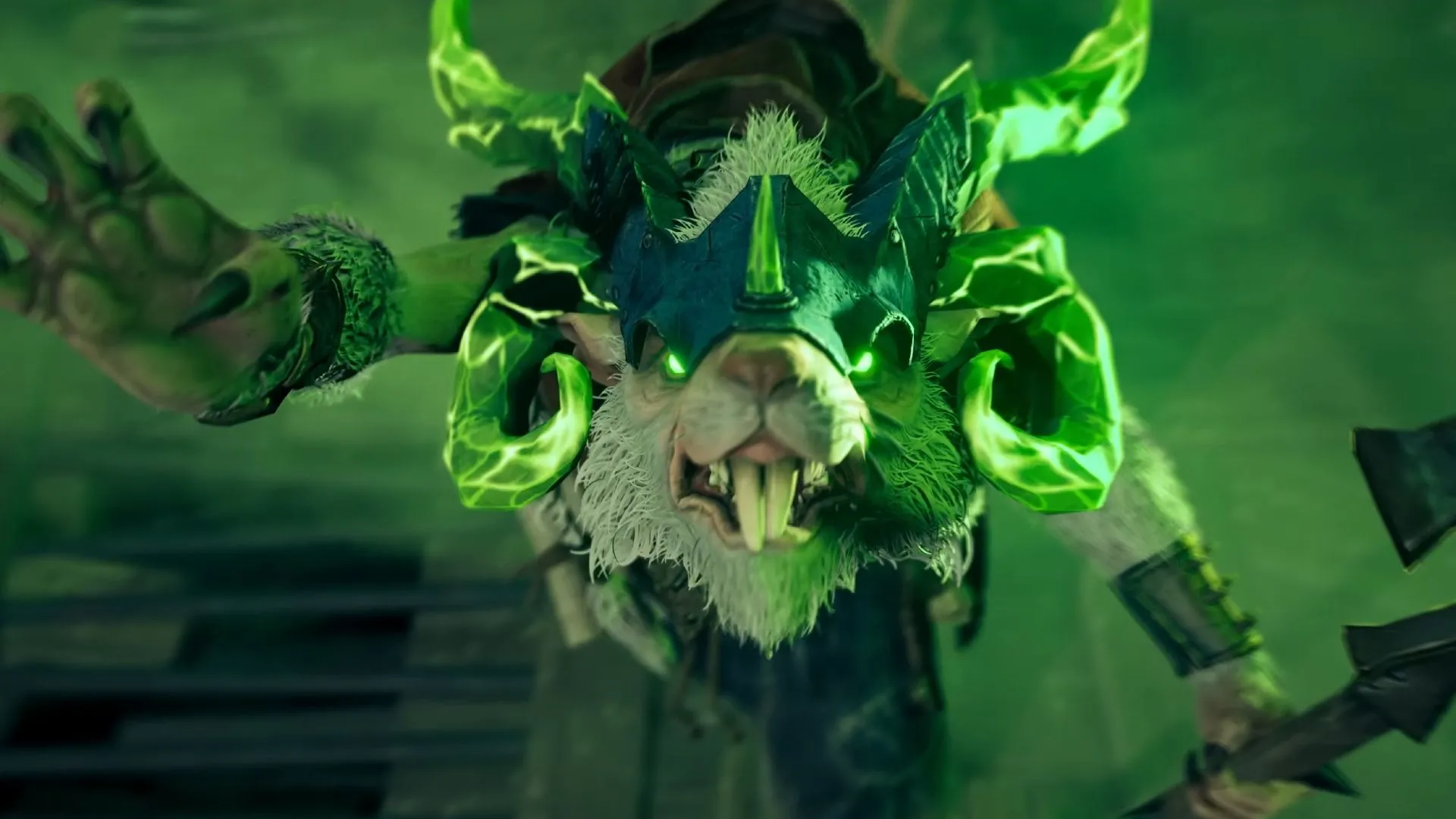
Why did the creator of SFO Grimhammer 3 deliberately corrupt the mod?
The creator, Venris, intentionally introduced corruption into the SFO: Grimhammer III files to prevent unauthorized, AI-generated copies from functioning correctly. This decision was a direct response to a growing trend where AI is used to 'vibe-code' or rapidly adapt existing mods to new game versions, which are then reuploaded to the Steam Workshop as if they were original works. These unauthorized versions often feature low-quality, AI-generated artwork to mask the lack of authentic creative input.
According to a statement posted on Patreon by Venris, the move was necessary because of the increasing volume of these AI-assisted reuploads. The creator expressed that after nearly ten years of developing the SFO: Grimhammer series, the appropriation of his work—especially for AI-related purposes—was unacceptable. The corruption served as a digital deterrent, signaling that the modding community's labor should not be harvested by automated processes without permission.
The rise of "vibe-coding" in modding
The term "vibe-coding" in this context refers to the use of AI to quickly bridge compatibility gaps between a mod and a new game update. While this might seem like a shortcut to keep content playable, it often results in submods that lack the nuance, balance, and stability of the original work. These AI-coded versions are frequently distributed through the Steam Workshop, often accompanied by synthetic imagery that lacks the aesthetic cohesion of the original mod's brand.
How is AI impacting the Steam Workshop and modding communities?
The Steam Workshop is currently facing a deluge of AI-generated modifications that often fail to meet the functional standards of the community. This trend is not limited to Total War: Warhammer 3; similar patterns have been observed in other major titles such as Skyrim and Project Zomboid. In these communities, users frequently report that AI-driven mods do not work as advertised, leading to significant frustration among players who expect high-quality, human-curated content.
The impact of AI on these ecosystems is twofold: it dilutes the quality of available content and threatens the livelihoods and motivations of dedicated human creators. When AI is used to scrape and re-package existing mod logic, it creates a parasitic relationship where the original creator's work is used to train or fuel the very tools that eventually replace or mimic them. This has led to a climate of fear among modders, who worry that their years of passion and community contribution might be stolen by automated systems.
What was the outcome of the SFO: Grimhammer III corruption incident?
The temporary sabotage of the mod successfully drew widespread attention to the issue of AI appropriation, leading Venris to eventually restore the working version of SFO: Grimhammer III for game version 8.1.1 on Steam. While the corruption was a drastic measure, it functioned as a high-profile protest that forced a discussion regarding the ethics of AI in the gaming ecosystem.
Venris noted that while his actions could not stop those determined to misappropriate work, they served to highlight a systemic problem affecting the Steam Workshop. The creator emphasized that SFO mods remain, and will always be, free for the community, rejecting any move toward paywalls as a response to the crisis. The restoration of the mod came after receiving significant support from the community, both in the form of supportive comments and critical discussions regarding the broader implications of AI in modding.
The distinction between AI as a tool and AI as a replacement
A central theme in the discourse following the SFO incident is the distinction between using AI to support the creative process and using it to replace the creator entirely. Venris argued that AI should ideally serve as a tool that assists modders in technical tasks rather than a mechanism to automate the creative essence of the work. The community's reaction suggests a strong preference for human-led development, even if it is slower or more difficult to maintain during major game updates.
What are the long-term risks for modders using AI?
The primary risk for modders lies in the potential loss of intellectual property and the erosion of community trust. As AI tools become more sophisticated at replicating coding styles and asset generation, the barrier to entry for creating "fake" mods drops, making it harder for players to distinguish between authentic, high-effort work and low-effort AI clones. This can lead to a degradation of the modding scene as top-tier creators may withdraw to avoid their work being harvested.
Furthermore, the legal and ethical frameworks surrounding AI-generated content in the Steam Workshop remain largely undefined. This ambiguity leaves individual creators vulnerable to large-scale appropriation. Without intervention from platform holders like Valve, the Steam Workshop could become saturated with non-functional or derivative AI content, ultimately harming the player experience and the longevity of the games being modded.
Frequently asked questions
Is SFO: Grimhammer III still free to download?
Yes, SFO: Grimhammer III remains free for all users. Venris has explicitly stated on Patreon that his mods will always be free for the community and that he has no intention of implementing a paywall, despite the challenges posed by unauthorized AI reuploads.
Why did the creator choose to corrupt the files?
The creator chose to corrupt the files as a defensive measure against AI-driven theft. By making the files non-functional for unauthorized versions, he aimed to sabotage the ability of AI tools to successfully re-package and re-upload his work as new, independent modifications.
Can I still play SFO: Grimhammer III on version 8.1.1?
Yes, a working version of SFO: Grimhammer III for game version 8.1.1 has been restored to the Steam Workshop. Following the initial corruption incident and the subsequent community discussion, the creator released the functional update to ensure legitimate players could continue using the mod.
Is AI-generated modding allowed on Steam?
While AI-generated content exists on the Steam Workshop, it is a highly controversial subject. The incident involving SFO: Grimhammer III highlights a significant tension between the platform's current state and the ethical standards held by the modding community and original creators.
How can players support human modders?
Players can support human modders by using official sources like Patreon or the Steam Workshop, engaging with their content through constructive feedback, and advocating for the protection of intellectual property against AI-driven appropriation and unauthorized reuploads of community-made work.
Key takeaways
- Venris deliberately corrupted SFO: Grimhammer III to sabotage unauthorized AI-assisted reuploads.
- The corruption was a response to "vibe-coding" where AI is used to rapidly adapt mods.
- SFO: Grimhammer III has been restored to a working state for version 8.1.1.
- The creator maintains that all SFO mods will remain free for the community.
- The incident highlights a growing conflict regarding AI as a tool versus AI as a replacement.
The future of modding in an AI-driven era
The SFO: Grimhammer III incident serves as a significant case study for the broader gaming industry. It underscores the growing friction between traditional, labor-intensive modding and the rapid, automated capabilities of generative AI. While the immediate conflict has been resolved through the restoration of the mod, the underlying tension remains. As AI tools continue to evolve, the community and platform developers will need to establish clearer boundaries to ensure that human creativity is protected and that the Steam Workshop remains a space for genuine innovation rather than automated replication.


