
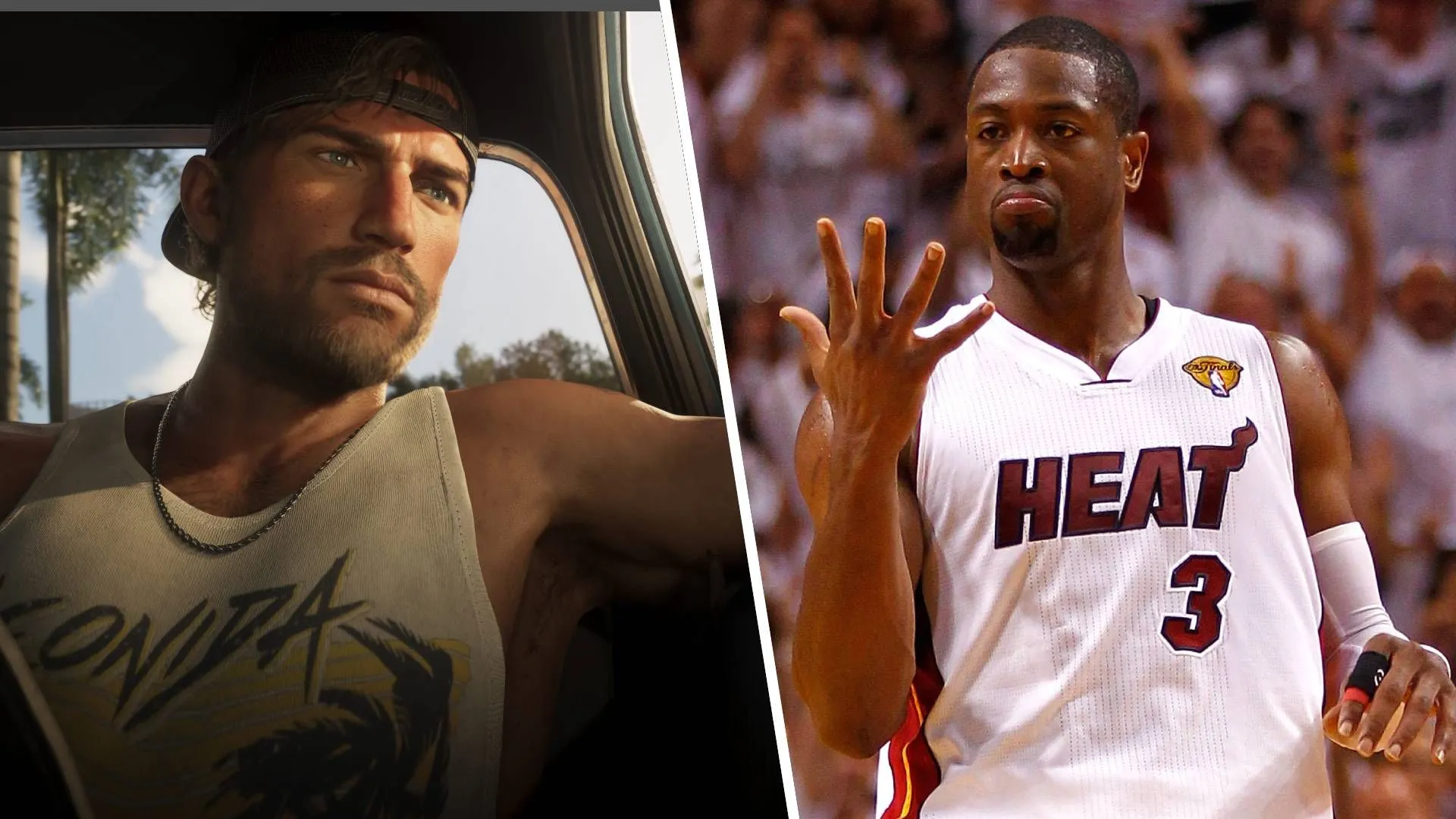
What is the "A Night in Vice City" marketing stunt?
The "A Night in Vice City" event is a collaborative cross-promotion between Rockstar Games and the Miami Heat NBA franchise. On Friday, October 2, PC Gamer audience development manager Cameron Bald shared details of the partnership via a Twitter post by fan account GTA 6 Countdown. The partnership involves the basketball team adopting a temporary rebrand to reflect the aesthetic of the upcoming Grand Theft Auto VI.
While the team is expected to use "Vice City" branding, the specific naming convention remains a point of discussion; reports suggest it may be branded simply as "Vice City" rather than "The Vice City Heat," a distinction that has raised eyebrows regarding the branding's execution. This marketing maneuver is designed to leverage the massive cultural footprint of both the NBA and the Grand Theft Auto franchise. By aligning a real-world sports entity with the fictional setting of Vice City, Rockstar Games seeks to create a sense of immersion that extends beyond the digital screen and into physical, real-world venues.
The mechanics of the rebranding
The rebrand functions as a localized immersion tactic. Instead of simply displaying GTA 6 logos on basketball courts, the team itself adopts the persona of the game's setting. This level of integration is intended to capture the attention of both die-hard NBA fans and the massive gaming community, creating a multi-sensory marketing moment that exists at the intersection of professional sports and interactive entertainment.
The rebranding is not merely a cosmetic change but a strategic attempt to merge two massive entertainment pillars. By temporarily transforming a professional sports identity into a piece of video game lore, Rockstar creates a tangible connection between the player's world and the digital world of Vice City. This approach attempts to blur the lines between reality and the highly anticipated gaming experience.
Why did Rockstar Games choose this specific partnership?
Rockstar Games appears to be utilizing a "flooding the zone" strategy rather than a traditional persuasion-based advertising model. According to PC Gamer's Lead SEO editor Lauren Morton, the campaign is less about convincing new players to buy the game and more about saturating the cultural landscape with the GTA 6 brand. This approach targets "super-casual" consumers—those who may still be playing older hardware like the PlayStation 4—by placing the brand in high-visibility, mainstream environments. As Cameron Bald noted, the goal is to provide the necessary convincing for those who need a reason to get back into games.
The choice of the Miami Heat is strategically significant for several reasons:
- Geographic Alignment: The Miami Heat is based in the real-world location that serves as the inspiration for the game's Vice City.
- Demographic Overlap: The NBA possesses a massive global audience that overlaps significantly with the demographic profiles of Rockstar Games' core players.
- Brand Prestige: The Miami Heat is a multi-billion dollar franchise with a storied history, including three championship victories and a high-profile roster that has included stars like LeBron James.
By tapping into the NBA, Rockstar is not just buying ad space; they are participating in a cultural ritual. The goal is to make the arrival of GTA 6 feel like a major societal event rather than just a software release.
How does sports marketing impact global brand recognition?
The efficacy of using a local sports team for global marketing remains a point of contention among industry observers. Critics argue that while NBA teams are massive entities, a single team's rebranding might feel "niche" to audiences outside of the United States or those who do not follow professional basketball. This sentiment was echoed by several UK-based editors at PC Gamer, including Fraser Brown, who questioned the effectiveness of the campaign, noting that a basketball stunt is significantly more niche than a major event like a Netflix trailer release.
The debate highlights a potential disconnect in global brand awareness. Fraser Brown noted that he had to Google the Miami Heat, suggesting that for those outside the American sports sphere, the impact might be limited. This was a sentiment shared by news writer Joshua Wolens, who also admitted to being unfamiliar with the team. Even within the US, the reach is not as guaranteed as one might think; senior editor Christopher Livingston, a lifelong US resident, admitted he also struggled to place the Heat prior to the news.
However, the argument for sports-based marketing is supported by the sheer economic scale of these organizations. According to Buffalo-based news writer Lincoln Carpenter, it is not just about the specific team, but the fact that NBA teams, as a rule, are massive deals. Carpenter highlighted that the valuation of the most expensive NBA teams often exceeds that of the most expensive international football clubs. This economic reality suggests that even if specific team names are not universally known in every household, the institutional power of the league provides a massive, high-trust platform for brand exposure.
The "Niche" vs. Global Scale Debate
The conversation within the PC Gamer newsroom revealed a deep divide in how marketing value is perceived. On one side is the argument that a single local sports team in one country represents a niche target. Fraser Brown argued that the campaign might land differently with Americans than with international audiences, suggesting the scale of the impact is geographically constrained. Even PC Gamer editorial director Jake Tucker's attempt to liken the situation to the international popularity of British football clubs failed to bridge the gap, as the lack of familiarity with the sport remained a barrier.
On the other side is the perspective that the sheer scale of the NBA makes it a global powerhouse. The argument posits that the NBA is a major cultural driver that transcends local boundaries, even if individual fans in the UK or elsewhere aren't immediate followers. The debate ultimately centers on whether "flooding the zone" with a specific sports brand is a way to reach the uninitiated or if it simply misses those who aren't already part of the sports ecosystem.
Conclusion
Whether the Miami Heat's "A Night in Vice City" rebrand is a masterstroke of cultural saturation or an overly niche endeavor remains to be seen. For Rockstar Games, the move is clearly about visibility and presence. By stepping out of the digital realm and into the high-stakes world of professional basketball, they are betting that the sheer scale of the NBA will provide the perfect stage for the GTA 6 era. Regardless of whether everyone knows the Miami Heat, the brand of Vice City is undoubtedly being moved closer to the center of the global conversation.
Key Takeaways
- Rockstar Games is partnering with the Miami Heat for a "A Night in Vice City" cross-promotion.
- The strategy focuses on "flooding the zone" to reach casual gamers rather than traditional persuasion.
- The campaign has sparked debate regarding the global vs. niche recognition of NBA franchises.
- Economic data suggests NBA team valuations often surpass those of major international football clubs.
Frequently Asked Questions
What is the "A Night in Vice City" event?
It is a cross-promotion between Rockstar Games and the Miami Heat NBA team, involving a temporary rebranding of the team to align with the Grand Theft Auto VI setting.
Is the Miami Heat a major brand?
Yes, the Miami Heat is a multi-billion dollar NBA franchise with three championship victories and a history of high-profile players like LeBron James.
Why is there debate about this marketing stunt?
Some argue that using a single US-based sports team is too niche for a global audience, while others argue that the NBA's massive scale and economic value make it a premier marketing platform.


