
Why did Bethesda issue a cease-and-desist to the Fallout: New York creator?
The legal action stems from direct intellectual property infringement regarding the project's branding and web presence. According to reports via X, ZeniMax Media contacted Chris First to demand he stop the project, specifically citing that the domain name fallout.nyc infringes on the studio's IP rights. While the project attempted to frame itself as 'not inspired by' the franchise, its core identity was built entirely around the Fallout aesthetic and mechanics.
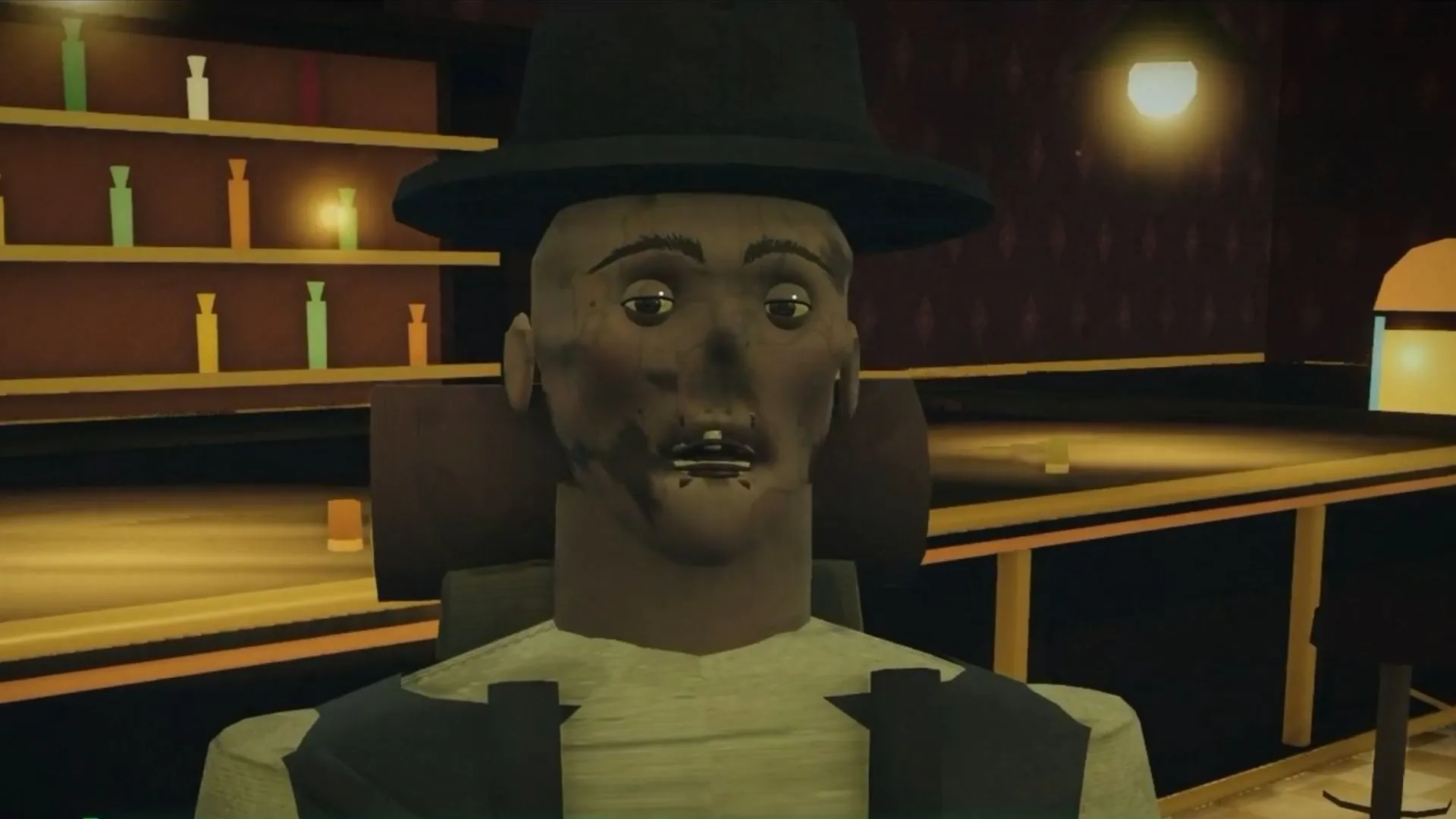
The creator, Chris First, utilized an automated approach to development that bypassed traditional creative input. Instead of manual coding or asset creation, First directed a studio of AI agents and the Claude Opus 5.5 model to construct the experience. This resulted in a game that included recognizable elements such as V.A.T.S. (Vault-Tec Assisted Targeting System), a functional Pip-Boy interface, and standard dialogue trees, all generated through code rather than human-authored assets.
The specific legal triggers in the ZeniMax notice
The primary catalyst for the shutdown was the use of the 'Fallout' trademark in the URL. In intellectual property law, using a protected brand name in a domain name is a high-risk activity that often triggers automatic enforcement from parent companies. Even if the game's content were deemed transformative, the domain fallout.nyc serves as a direct commercial and branding link to the Bethesda property, making it a clear target for ZeniMax's legal department.
How does the AI-driven development of Fallout: New York differ from traditional modding?
Fallout: New York represents a fundamental shift in how fan content is produced, moving from human-led craftsmanship to prompt-based generation. Unlike traditional modding communities that rely on years of volunteer labor, this project was built using AI agents to generate every aspect of the game environment. This distinction has created a rift in the gaming community regarding the value and legitimacy of such projects.
Traditional massive modding undertakings, such as Fallout: London or Skyblivion, are characterized by significant human investment. These projects often involve hundreds of volunteers working for years to create high-fidelity assets, complex scripts, and original narratives. They are viewed as tributes to the source material, characterized by a level of creative depth and technical polish that AI currently struggles to replicate.
In contrast, the Fallout: New York project lacked traditional asset files. According to the developer, the game utilized zero texture files and zero sound files; instead, every building, weapon, face, and sound was generated entirely by code via the AI. While this allows for rapid deployment, the resulting visual and auditory quality has been widely criticized as 'garbola'—a low-poly, unpolished experience that lacks the soul of human-made content.
What is the impact of AI on the gaming community's perception of creativity?
The emergence of projects like Fallout: New York has sparked intense debate over the definition of creativity and the ethics of AI in gaming. Many players and developers argue that the use of AI to mimic an existing IP without adding original creative thought is a hollow exercise that devalues the work of human artists and programmers.
The backlash against Chris First has been multifaceted. Some critics point to the blatant use of the 'Fallout' name as a provocation against Bethesda, while others focus on the perceived laziness of using AI to generate a 'cheap' version of a beloved franchise. This sentiment is amplified by the fact that high-quality, official entries in the series are often available at low costs, making an unpolished AI clone feel unnecessary to the consumer base.
The divide between 'inspired' and 'mimicked' content
A central point of contention is the distinction between a project that is 'inspired by' a setting and one that is 'exactly like' it. First noted that while he requested a game not inspired by Fallout, the AI produced something that was effectively a clone. This distinction is vital for legal and ethical reasons; true inspiration leads to new genres and styles, whereas AI mimicry often results in derivative content that provides no new value to the cultural landscape of gaming.
Will changing the project name resolve the legal conflict?
While some observers suggested that First could avoid legal repercussions by simply rebranding the project, this solution remains unlikely given the current state of the game. Changing the name would address the trademark infringement of the 'Fallout' title, but it would not resolve the issues regarding the underlying mechanics and the visual identity that is inextricably linked to the Bethesda IP.
Furthermore, there is a lack of appetite for continuing the project under a different name. Because the game is a low-poly, browser-based experience generated by code, it lacks the aesthetic appeal required to stand as an independent entity. Critics argue that if the goal is to play a Fallout-style game, consumers are better served by purchasing existing titles like Fallout 3 or New Vegas, which offer significantly higher production values for a fraction of the perceived effort.
What does this mean for the future of fan-made content?
The shutdown of Fallout: New York serves as a cautionary tale for the intersection of AI technology and intellectual property law. As AI tools become more capable of generating complex game systems, the legal boundaries regarding 'transformative use' versus 'derivative mimicry' will become increasingly blurred. Large corporations like ZeniMax/Bethesda are likely to maintain a strict stance against any AI-generated content that utilizes their trademarks or distinctive gameplay mechanics.
For the modding community, this event reinforces the distinction between human-centric modding and AI generation. While the former is generally tolerated—and even encouraged—as a form of community engagement, the latter is being viewed as a potential threat to the integrity of the IP. The industry may see a future where legal protections are specifically tightened to prevent AI models from being used to 'scrape' the essence of a franchise to create instant, low-effort competitors or clones.
Frequently asked questions
Who is the creator of the Fallout: New York AI game?
The project was created by Chris First. He utilized a method involving a studio of AI agents and the Claude Opus 5.5 model to generate the game's assets, quests, and mechanics, rather than using traditional manual development methods.
Why did ZeniMax Media intervene in the project?
ZeniMax Media issued a cease-and-desist because the project's domain name, fallout.nyc, infringed upon the studio's intellectual property rights. The company specifically targeted the use of the 'Fallout' trademark within the project's digital identity.
How was the game's content generated?
The game was built using AI-driven code generation. According to the developer, the project contained zero texture files and zero sound files, as every visual element, weapon, and dialogue tree was generated programmatically by the AI agents.
Is there a difference between this and mods like Skyblivion?
Yes, there is a significant difference in production. Mods like Skyblivion or Fallout: London are massive human undertakings involving years of work by hundreds of volunteers, whereas Fallout: New York was an automated, prompt-based AI generation process.
Can the creator simply rename the project to avoid legal issues?
While renaming might resolve the trademark issue regarding the 'Fallout' name, it does not change the derivative nature of the content. Many argue the game lacks the quality and originality to succeed as an independent, non-branded title.
Key takeaways
- ZeniMax Media issued a cease-and-desist to Chris First over the Fallout: New York project.
- The legal trigger was the infringement of IP rights via the fallout.nyc domain name.
- Fallout: New York was built using Claude Opus 5.5 and AI agents instead of manual assets.
- The project lacked traditional texture and sound files, relying entirely on AI-generated code.
- The incident highlights a growing divide between human-led modding and AI-generated content.
The future of AI in gaming IP
The forced closure of Fallout: New York marks a pivotal moment in the tension between rapid AI development and established copyright frameworks. While the technology allows for unprecedented speed in content creation, it lacks the creative depth and legal safety of human-authored projects. As corporations tighten their grip on their intellectual properties, the distinction between legitimate fan expression and automated mimicry will likely become the primary battleground for digital creators and legal departments alike.


