
What makes Fallen London a unique narrative hub?
Fallen London acts as a creative playground where the architects of some of gaming's most celebrated narratives come to explore their most experimental ideas. Rather than being constrained by the massive production budgets and brand guidelines of AAA titles, these writers use the Failbetter Games universe to let their 'hair down.' The game's structure allows for a level of stylistic freedom that is rarely seen in mainstream gaming, providing a space where individual voices can shine rather than being muffled in the mix of a massive product.
The game is fundamentally a browser-based experience, but it transcends the typical limitations of the medium. It offers a 'near-bottomless brunch' of cosmic and comic horror—an interlaced network of choice-driven, literary stories that have been woven together over a decade and a half. Players navigate a sunken Victorian metropolis, engaging in long-term, resource-heavy adventures that can span months or even years of real-world time. These overarching plots, put together in episodic installments by Failbetter, take players from the depths of the Unterzee to the glittering, false-star ceiling of the cavernous world.
The distinction between main quests and Exceptional Stories
The gameplay experience is split into two distinct layers: the grand, episodic main quests and the monthly 'Exceptional Stories.' While the main arcs provide the structural backbone of the world, swallowing up resources as a gadabout-slash-magnate, the Exceptional Stories offer a different kind of value. These are self-contained, subscription-based quests that function much like entries in an anthology series.
Because these stories are often handed off to freelance contributors rather than being written exclusively in-house, they bring an unpredictable, eclectic energy to the game's ecosystem. They are bite-sized, entry-level quests that appear as regularly as a ratwork watch. These stories reflect the unique tastes and personalities of their writers, often introducing new characters whose fates are decided by the story's end. This creates a sense of variety that keeps the living world of Fallen London feeling fresh and constantly evolving.
How do AAA writers use the platform for experimentation?
The 'Exceptional Stories' feature a revolving door of talent from the highest tiers of the industry, allowing writers to inject their specific voices into the Fallen London mythos. This prevents the narrative from feeling monolithic and instead makes it feel like a collection of distinct, often unsettling, perspectives.
For example, Baudelaire Welch, known for designing the 'Dark Urge' path in Baldur's Gate 3—which makes a protagonist responsible for a string of mysterious murders—contributed 'The Goblin Poet.' This story moves away from standard heroic tropes to explore a sinister cult of BDSM bohemians in the Reddest Keep. The narrative focuses on the psychological volatility of these artists, who worship a queen with a devotion that quickly curdles into misogynistic rage when she shows human imperfection. The Keep itself is viscerally horrible, with floors made of taxidermied beasts tied together in a carpet of rodent death. The queen argues that her changing nature is no different than wearing a fine suit, yet the artists' impossible ideals ultimately unravel her, freeing them from a trap of their own making. It is a level of uncomfortable, character-driven tension that is difficult to find in mainstream RPGs.
Other notable contributions include:
- Giada Zavarise (Paradox designer): Wrote 'Tired of London,' a tale involving a steamer journey to the Tomb-Colonies and a dramatic, sinking ship climax where the captain throws the ship's wheel overboard as the band plays.
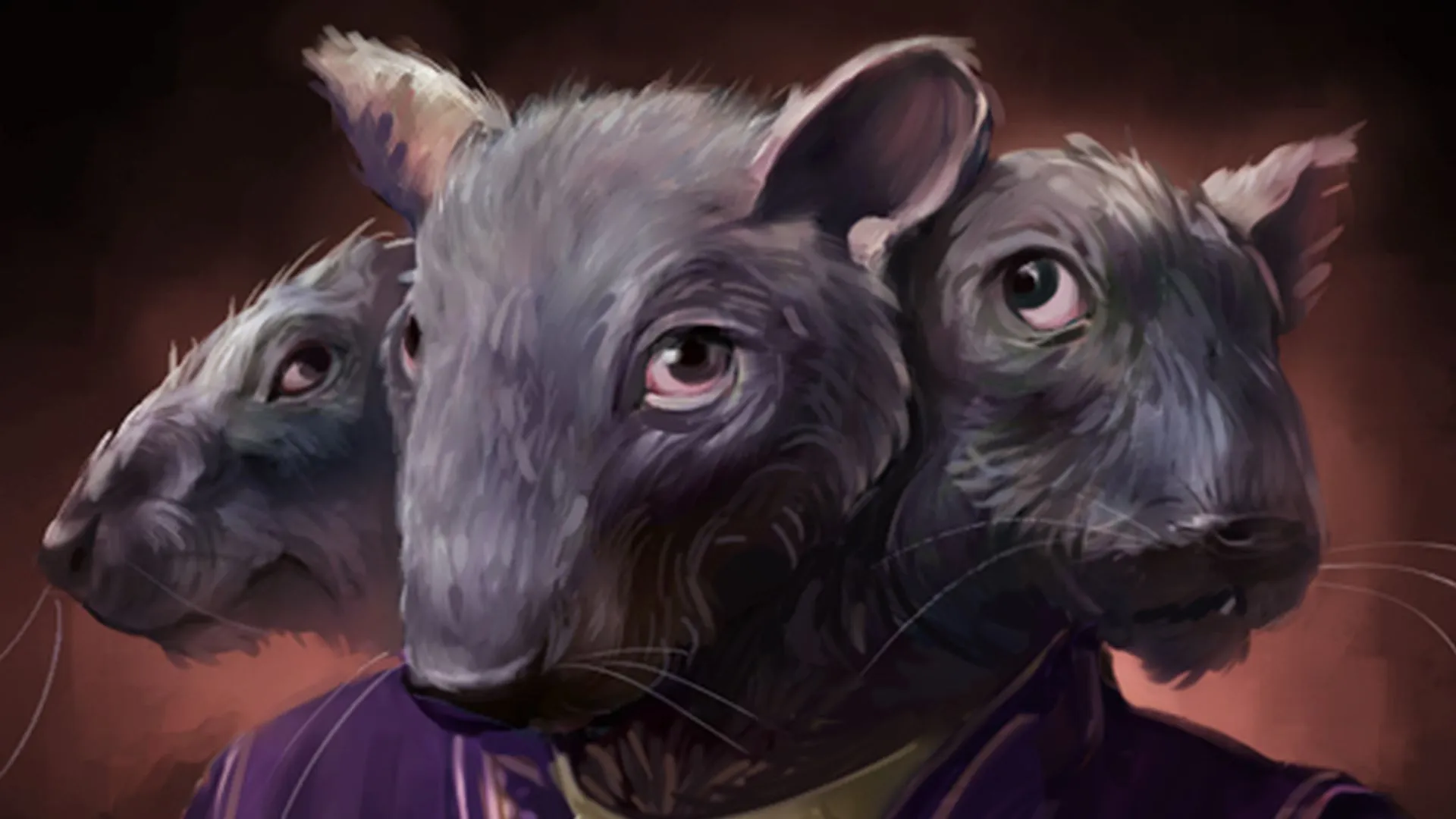
- Hazel Monforton (Dishonored and Destiny writer): Authored 'The Prince of All Rats,' featuring a romanceable, three-headed rodent in the deep-zee court.
- Borderlands 4 writer: Contributed 'Old, New, Drowned & Blue,' a lethal love story rooted in the court of the Fathomking.
What role do indie legends play in the game's ecosystem?
Beyond the heavy hitters of the AAA space, Fallen London provides a vital platform for legendary figures in the indie and text-based fiction communities. This intersection of industry giants and esoteric indie creators creates a rich, multi-layered literary environment.
Heather Flowers, a designer known for her work with probability and mechanics in projects like 'Unfair Flips,' is a regular contributor whose work players eagerly anticipate. Similarly, Jim Rossignol—a veteran known for his work on 'Sir, You Are Being Hunted'—brings a sense of 'dark whimsy' to the city. His stories have explored surreal concepts, such as a malevolent building that follows the player, a painting that refuses to live in its frame, or an aesthetic movement that treats illness as art. His ability to capture the strange essence of the city is evident in his descriptions of the 'Lily-Tongue Sweats.'
Perhaps most significantly, the game hosts legends of interactive fiction like Anna Anthropy. Her contribution, 'The Poetry of God,' showcases the platform's ability to handle deeply personal and sophisticated themes. Her story follows a disabled academic navigating dangerous sigils, blending the tension of a Cold War thriller with a profound exploration of power. Anthropy writes with a sense of disdain for those who underestimate the protagonist, noting how a book-burning censor might fear that the small woman in the chair might turn and look back at him. This ability to host such varied, high-concept writing is what separates Fallen London from standard genre fare.
Why is the text-based format so effective for these stories?
The text-driven nature of Fallen London allows for a scale of spectacle and psychological depth that would be prohibitively expensive in a 3D engine. By focusing on prose, the game can transport players to locations like the Reddest Keep—described as having floors made of taxidermied beasts—without the need for high-fidelity assets. It allows for grand spectacles, such as the last cruise of the mummified living in Zavarise's work, to be delivered through evocative language rather than massive budgets.
This format empowers writers to use language to create atmosphere, whether it is the 'delicious turns of phrase' found in Anthropy's work or the visceral horror of the Reddest Keep. The constraints of the medium actually act as a catalyst for creativity, forcing the narrative to carry the weight of the world-building. For the writers involved, it is a chance to tell a complete, uncompromising tale from start to finish, ensuring their individual voices are heard clearly rather than being lost in the machinery of a massive production.
FAQ: Fallen London
What kind of gameplay does Fallen London offer?
Fallen London is a choice-driven, text-based RPG set in a sunken Victorian city. It features long-term episodic adventures that can take months to complete, alongside monthly 'Exceptional Stories' that offer shorter, self-contained narrative experiences for subscribers.
Who are the writers behind the game's stories?
The game features a mix of in-house writers and high-profile freelancers. Contributors include writers from Baldur's Gate 3, Dishonored, Destiny, and Paradox, as well as prominent indie interactive fiction creators like Anna Anthropy and Jim Rossignol.
Is Fallen London a browser game?
Yes, Fallen London is played directly in your web browser. Despite being a browser-based title, it offers a deep, complex, and evolving narrative world that rivals much larger, more traditional gaming productions in terms of writing quality.
What are 'Exceptional Stories'?
Exceptional Stories are bite-sized, episodic quests released monthly for subscribers. They are typically written by freelance contributors, allowing for a wide variety of writing styles, tones, and themes that function like an anthology series within the game.
What is the setting of the game?
The game is set in a subterranean, sunken Victorian capital city. The world is characterized by a mix of cosmic horror, mystery, and dark whimsy, featuring locations like the Unterzee and the cavernous roof of the world.
Key takeaways
- Fallen London is a text-based RPG that serves as a creative hub for elite industry writers.
- The game features 'Exceptional Stories,' monthly anthology-style quests written by diverse freelance contributors.
- AAA writers from franchises like Baldur's Gate 3 use the platform for experimental storytelling.
- The game's narrative spans over fifteen years of continuous, evolving world-building.
The enduring value of literary gaming
Fallen London represents a unique intersection of high-level professional craft and indie experimentalism. By providing a space where the narrative is the primary driver, Failbetter Games has created more than just a game; they have built a living literary archive. As the platform continues to welcome new voices from all corners of the gaming medium, it remains a vital testament to the power of text-driven storytelling. In an industry often dominated by visual spectacle, Fallen London proves that the most profound journeys are often those found within the written word. It is a world that remains waiting for the wider world to discover its many exceptional, and often bloody, tales.


